Common mistakes and solutions Fat loss and "leaning out" are common goals that many people…
Biokinetics & Physiotherapy
When Should You See a Physiotherapist or a Biokineticist?
Both physiotherapists and biokineticists play essential roles in rehabilitation, but they become involved at different stages of your recovery.
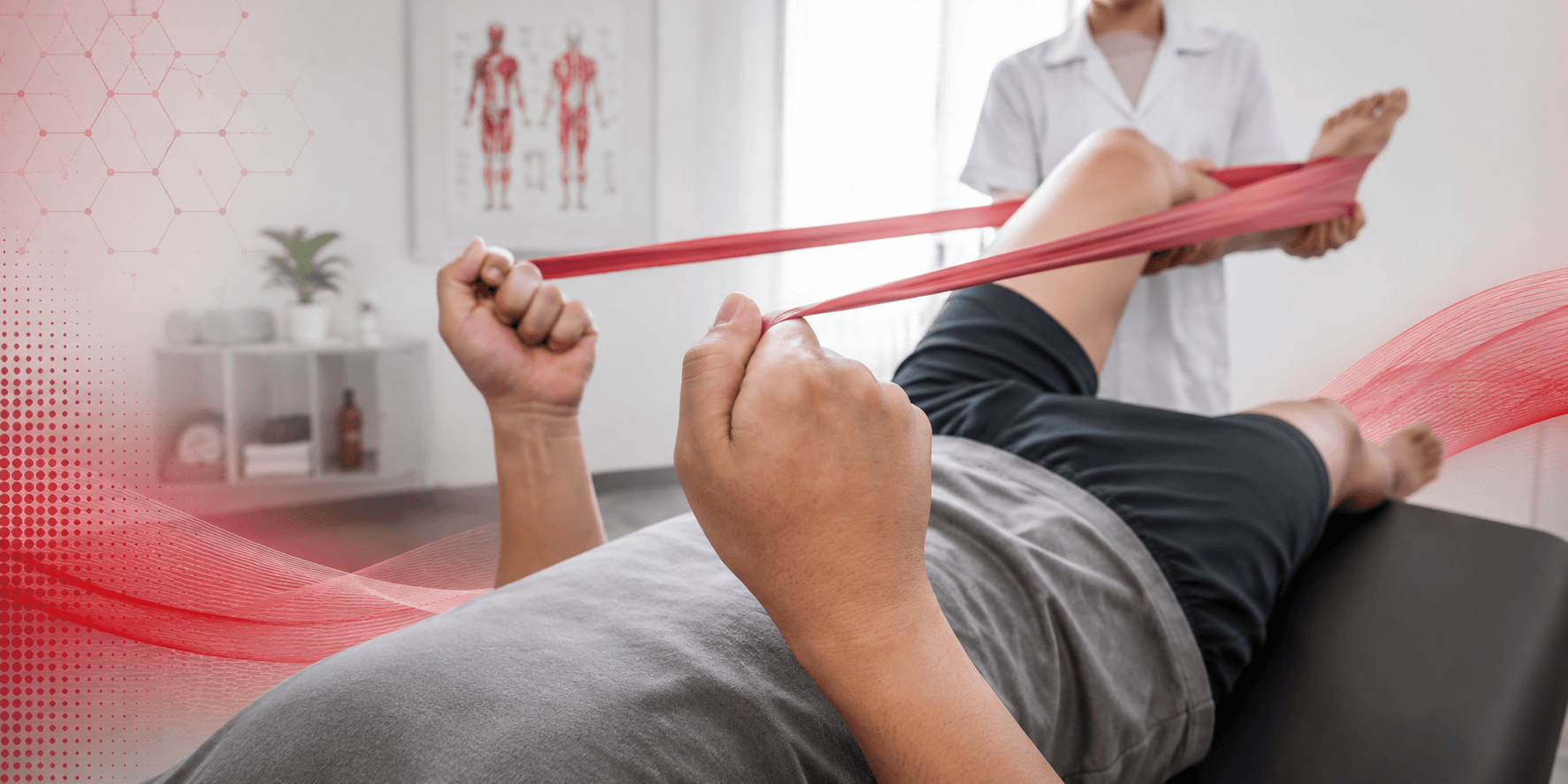
If your pain is severe (generally more than 6 out of 10), or you have significant swelling, inflammation, or difficulty moving after an injury, it is usually best to consult a physiotherapist first. Their primary role is to manage the acute phase by reducing pain, controlling inflammation, restoring early movement, and protecting the injured area.
Once your pain has settled and the acute symptoms are under control, a Biokineticist focuses on the next phase of rehabilitation.
Using a personalised exercise therapy programme, we restore the way your body moves, functions, and performs. Rather than simply treating pain, Biokinetics addresses the underlying causes of your symptoms to help prevent recurring injuries and improve long-term function.

Working Together for Better Outcomes
At Gino Alho Biokineticist, we work closely with Anne van der Merwe Physiotherapy to provide a seamless and collaborative rehabilitation journey.
This team approach ensures you receive the right treatment at the right stage—from early pain relief and injury management through to strength restoration, full function, and long-term injury prevention.
Still not sure who to see first? Read more below or get in contact and we will guide you accordingly.
What is Biokinetics?
Biokinetics is the science of human movement and exercise rehabilitation. Biokineticists are healthcare professionals who use exercise as medicine to help people recover from injury, improve physical function, prevent disease, and enhance overall quality of life.
Unlike many other healthcare professions, Biokinetics focuses on physical therapy through scientifically prescribed exercise rather than manual treatment techniques. Every exercise programme is tailored to the individual’s needs, goals, medical history, and current physical abilities.
Our aim is not only to help you recover from pain or injury but also to improve the way your body moves so you can confidently return to the activities you enjoy—whether that’s playing with your grandchildren, returning to work, or competing in high-performance sport.
How Can a Biokineticist Help You?
A Biokineticist performs a comprehensive movement assessment to identify the underlying cause of your pain, injury, or movement limitation. A biokineticist provides each and every patient with a movement diagnosis. Rather than simply treating symptoms, we focus on correcting the factors contributing to your condition.
We conduct a thorough orthopaedic assessment or specific chronic condition evaluation. This allows us to develop a personalized exercise therapy treatment plan based on your unique needs. Because every person is different, every rehabilitation programme is specifically designed around your condition, lifestyle, and personal goals.
Continuous objective assessments are done to ensure that you see the results of your dedication to your exercise programme. We are fortunate to provide exercise therapy in a land-based and water-based environment. Read more on Hydrotherapy.
Your personalised rehabilitation programme may include:
- Improving muscle strength
- Restoring balance and stability
- Correcting faulty movement patterns
- Improving flexibility and mobility
- Enhancing posture and functional movement
- Progressively returning you to work, exercise, or sport
- Reducing the risk of future injuries
Conditions We Treat
Biokinetics benefits people of all ages and activity levels. We commonly assist patients with:
- Orthopaedic injuries and rehabilitation
- Sports injuries
- Back and neck pain
- Joint replacements and post-operative rehabilitation
- Arthritis and other musculoskeletal conditions
- Chronic diseases such as diabetes, hypertension, obesity, and cardiovascular disease
- Balance and mobility problems
- General strength and conditioning
- Injury prevention and performance enhancement
Whether you’re recovering from surgery, managing a chronic condition, or looking to improve your physical performance, a Biokineticist can help you move better, feel better, and live better.
Prehabilitation: Preparing Your Body Before Injury or Surgery
One of the most valuable services offered by Biokineticists is prehabilitation, we often referred to it as proactive physical therapy.
Prehabilitation involves improving your body’s strength, mobility, flexibility, and movement patterns before surgery or before an injury occurs. By better preparing your body, you can often:
- Recover faster after surgery
- Reduce post-operative complications
- Improve functional outcomes
- Lower your risk of injury or re-injury
- Build confidence before returning to activity
For many patients undergoing orthopaedic surgery, prehabilitation forms an important part of the recovery journey.
Prevention is Better Than Cure
Preventative healthcare is one of the cornerstones of Biokinetics.
Regular, targeted exercise has been shown to reduce the risk of numerous chronic diseases while improving overall health and longevity. Through exercise prescription, we help patients improve their strength, cardiovascular fitness, mobility, balance, and overall physical wellbeing.
By addressing movement problems early, we can often prevent minor issues from developing into more serious injuries or chronic conditions.
At its core, Biokinetics is about helping you move better today so you can enjoy a healthier tomorrow.
Book an appointment today and discover how exercise can become your most powerful medicine.
Physiotherapy
What Does a Physiotherapist Do?
Physiotherapists are experts in managing the acute stage of injuries, particularly when pain, swelling, inflammation, or limited movement are present.
Following an injury, it is common to experience significant pain and inflammation. During this phase, a physiotherapist focuses on reducing these symptoms and protecting the injured tissues while restoring early movement.
Treatment may include:
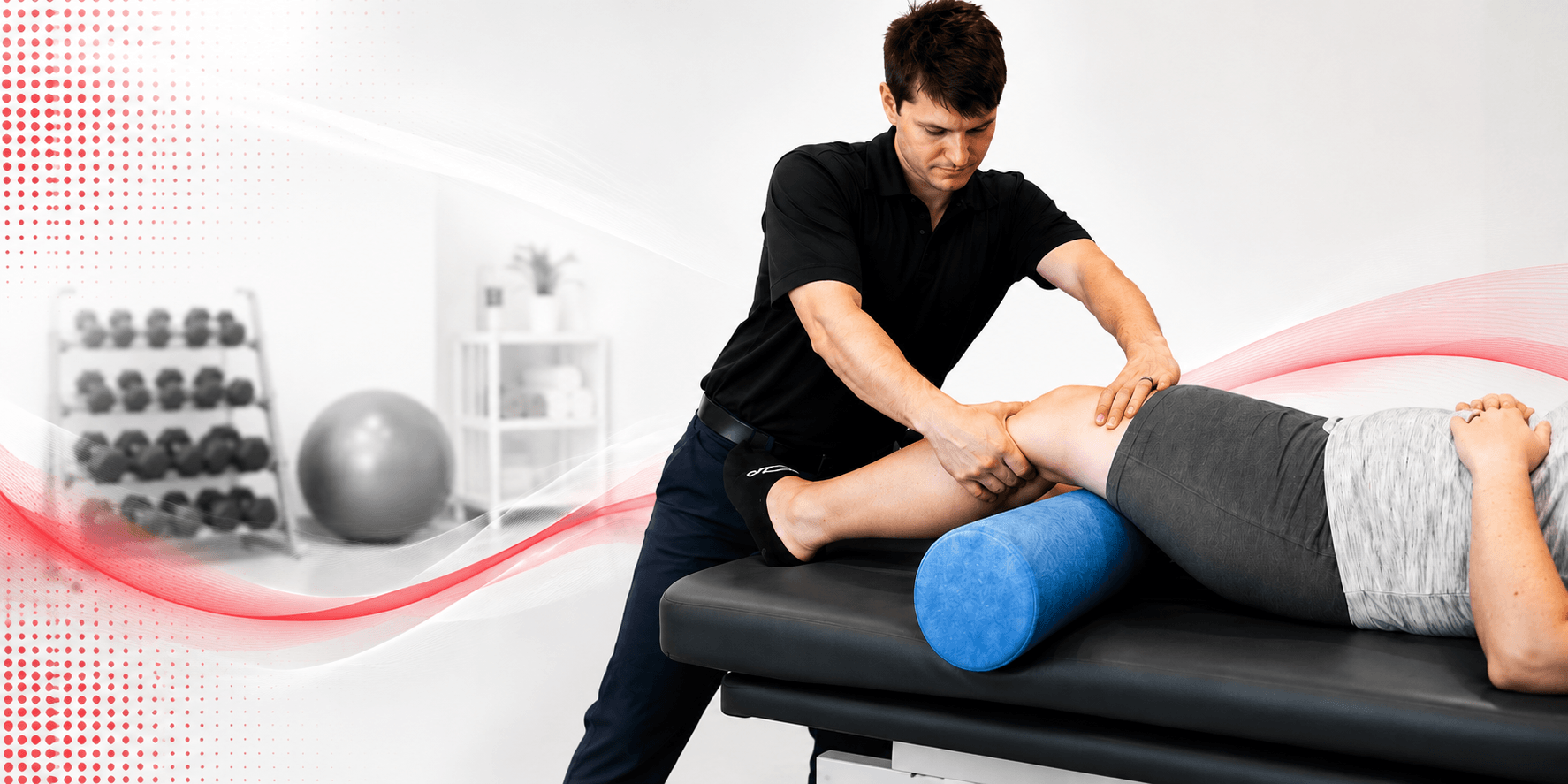
- Manual therapy
- Dry needling
- Taping
- Ultrasound
- Laser therapy
- Soft tissue techniques
- Early-stage rehabilitation exercises
Physiotherapists are also qualified to provide a clinical diagnosis and guide the initial stages of treatment, ensuring you receive the most appropriate care from the beginning.
Still not sure who to see first?
Related Posts