Common mistakes and solutions Fat loss and "leaning out" are common goals that many people…
Knee Pain (Part 3) : Prevention & Treatment
So, what can you do?
Knee pain prevention & treatment
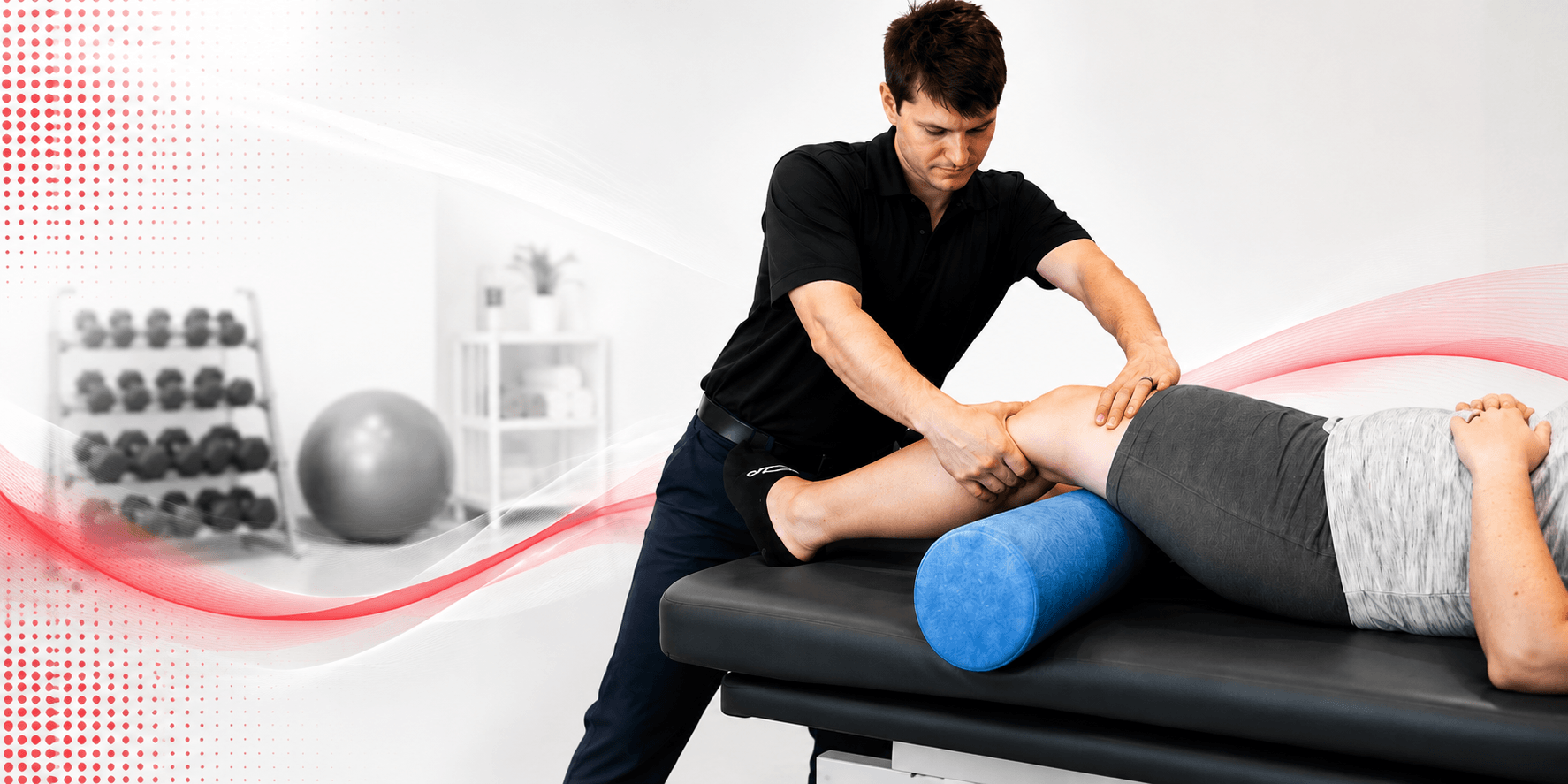
Biokineticists can assist you in many ways to solve knee problems, reduce the risk of injury and assist in recovery from a previous injury or knee pain. Biokineticists have a thorough understanding of the assessment and treatment of knee injuries and can assist you in dealing with your knee pain as follows:
1. A structured exercise programme that is specific to you
Your exercise programme must be customized for you as you are unique. At Health & Fitness Hub, our Biokineticist does not follow a one-size-fits-all approach. This holds not only for exercise but also for injury. Two people with the same injury require different programs customized for them. We consider your unique needs when designing your programme and formulate it based on thoroughly researched scientific principles.
2. Holistic exercise programme
People often neglect the small things when it comes to exercise programmes. Firstly, they often avoid flexibility training or pre-exercise warm-ups. Secondly, they focus on training only prominent muscle groups and forget other key small muscle groups. Lastly, endurance athletes often do not incorporate resistance training into their exercise programmes.
A light 5 to 10-minute pre-exercise warm-up can significantly enhance performance during your exercise session. It is also better to gradually prepare your body for exercise. Smaller muscle groups such as the calves and various outer hip muscles rarely receive attention, yet these muscles are vital for providing knee stability during exercise and movement. Resistance training is key to strengthening muscles, tendons, bones, and joints and is ideal for ironing out any muscle deficits that you may have.
3. Progressive exercise
The human body adapts to the stress placed on it to become stronger. This is key to building and maintaining strong muscles, ligaments, tendons, joints and bones. Exercise is a stressor and should be implemented gradually. Too much stress too soon is harmful. A Biokineticist adapts your exercise programme systematically and as a result, you get better and stronger without running the risk of injury.
4. Exercise smart
Listen to your body, pain is the body’s signal that something is wrong. Never train through severe pain. In addition, avoid significant bouts of rest as this can make the problem a lot worse. Too much rest can weaken muscles, which can worsen joint pain. If you have a knee injury or suffer from knee pain or arthritis, a proper exercise plan is key. You may be required to change the way you exercise.
The knee is a prominent weight-bearing joint, therefore it may be wise to switch to lower-impact exercises such as Pilates and/or swimming at least for a few days or weeks. We can assist you in formulating a programme so that you can train “around your pain” while strengthening the area of weakness.
5. Shed those extra kilos
Excessive body weight places additional strain on your joints and increases the risk of knee injuries, osteoarthritis and resulting pain. A well-structured exercise programme is key to achieving and maintaining a healthy weight. One common misconception of exercise is that cardio is the only form of exercise for weight loss.
Resistance training should form an integral part of a properly structured exercise plan that helps you reach and maintain your target weight. Resistance training has the added advantage of building muscle. Muscle is more metabolically active than fat which means the more muscle you have, the easier it is to shed extra weight. As a bonus; stronger muscles protect your joints, specifically the knee.
6. Prehab / proactive exercise plan
Exercise is important to condition or prepare your body for the stresses placed on it by activities of everyday life. In a sporting context, strength and conditioning are vital so that your body is ready to meet the specific demands of your sport. Prehab is also important to improve movement quality and avoid excessive stress on your joints. We suggest you work with your Biokineticist to “bulletproof” your body and make it more injury-resistant.
CLICK HERE to schedule a consultation with our Biokineticist.
Risk Factors for Developing Knee Pain
There is a wide variety of risk factors that can increase the risk of developing knee problems. Risk factors can be categorized into factors you can control (modifiable) and factors you cannot control (non-modifiable).
MODIFIABLE RISK FACTORS
1. Muscle strength & flexibility
A lack of muscle strength and inflexibility can increase the risk of knee injuries. Muscle strength is vital to provide stability and protection of your joints, especially during exercise. Deficits in these may negatively influence your movement mechanics. As a result, excessive stress is placed on the knee joint and other body areas. Muscle flexibility is important so that you can use your knee through an optimal range of motion. Certainly, this is important for daily life or sports.
2. Training errors
Training too much too soon in your exercise programme. In addition, sudden changes in your training routine can place significant stress on the knee. This may include large increases in training intensity (total repetitions, sets, load) and/or duration (time spent exercising). You need to gradually allow your knee to adapt to your exercise program. A Biokineticist will assist you in getting this right.
3. Movement quality
Each person has a unique way of moving their body. In some cases, movement can be extremely poor resulting in excessive stress placed on the knee. As a result, your knees are at an increased risk of developing pain.
4. Excessive weight
People who are overweight or obese place unhealthy stress on their joints. This increased stress is even present with merely walking. Excessive weight may also increase the risk of developing osteoarthritis and other knee problems. CLICK HERE to see what 10 common mistakes people make when it comes to weight loss.
5. Nutrition
This is a key component for knee joint health, especially for younger children who are still growing. Good nutrition is essential to develop strong bones, muscles and joints. As people grow older, good nutrition remains important for healthy bodies. Nutrition is key in reducing the risk of developing chronic conditions that may affect knees.
Read More about the common conditions or injuries that can cause knee pain
NON-MODIFIABLE RISK FACTORS
1. Age
Age is a major factor contributing to knee problems. Specific knee problems are common to certain age categories. Ageing may increase susceptibility to the development of knee problems (e.g. osteoarthritis). As you age, there is greater cumulative wear and tear on knee joints. You are never too old for regular exercise. Exercise is best supervised by a qualified exercise treatment professional such as a Biokineticist.
2. Gender
Gender can increase the risk of developing certain knee problems. Women are twice as likely to develop patellofemoral pain due to the pelvis shape that women have which is larger than men. A larger pelvis can negatively affect the alignment of a person’s lower limbs placing strain on the knees. Patellofemoral syndrome is a broad term to describe a general pain felt around or under the kneecap. This is generally due to kneecap malalignment. As a result, the knee cap moves in an irregular manner which can irritate various tissues at the knee.
3. Previous injury
Previous knee injuries can increase the risk of future injury or development of other knee problems. Proper injury treatment is required to reduce the risk of re-injury or other injuries.
Related Posts