
The fitness class you wish you started sooner! Many people picture water aerobics as a…
Why does my pain keep coming back?
Breaking the cycle of recurring pain.
You finally start feeling better. The pain has eased, you’re moving more comfortably, and life begins to feel normal again.
So you return to work, start exercising, or get back to your favourite sport.
Then it happens… The pain comes back.
If this sounds familiar, you’re not alone. One of the most common questions people ask is, “Why does my pain keep returning?” The answer is often more complex than you might think.
If you are ready to break the cycle – get in contact with us!
Pain Relief Doesn’t Always Mean Recovery
Many people assume that once the pain is gone, the injury has healed – which is incorrect. In reality, pain is only a symptom and one part of the recovery process. Pain often settles before your muscles regain their strength, your joints recover their stability, or your movement patterns return to normal. If you stop rehabilitation too soon, your body may still be vulnerable to re-injury. Think of it like repairing a cracked wall. A fresh coat of paint might hide the crack, but unless the underlying problem is fixed, the crack is likely to return.
Why Does Pain Come Back?
1. You Stopped Rehabilitation Too Early
Once the pain disappears, it’s tempting to stop your exercises. However, your muscles, tendons and ligaments often need several more weeks—or even months—to fully recover. Stopping rehabilitation too early can leave your body unprepared for everyday activities or exercise.
2. The Root Cause Was Never Addressed
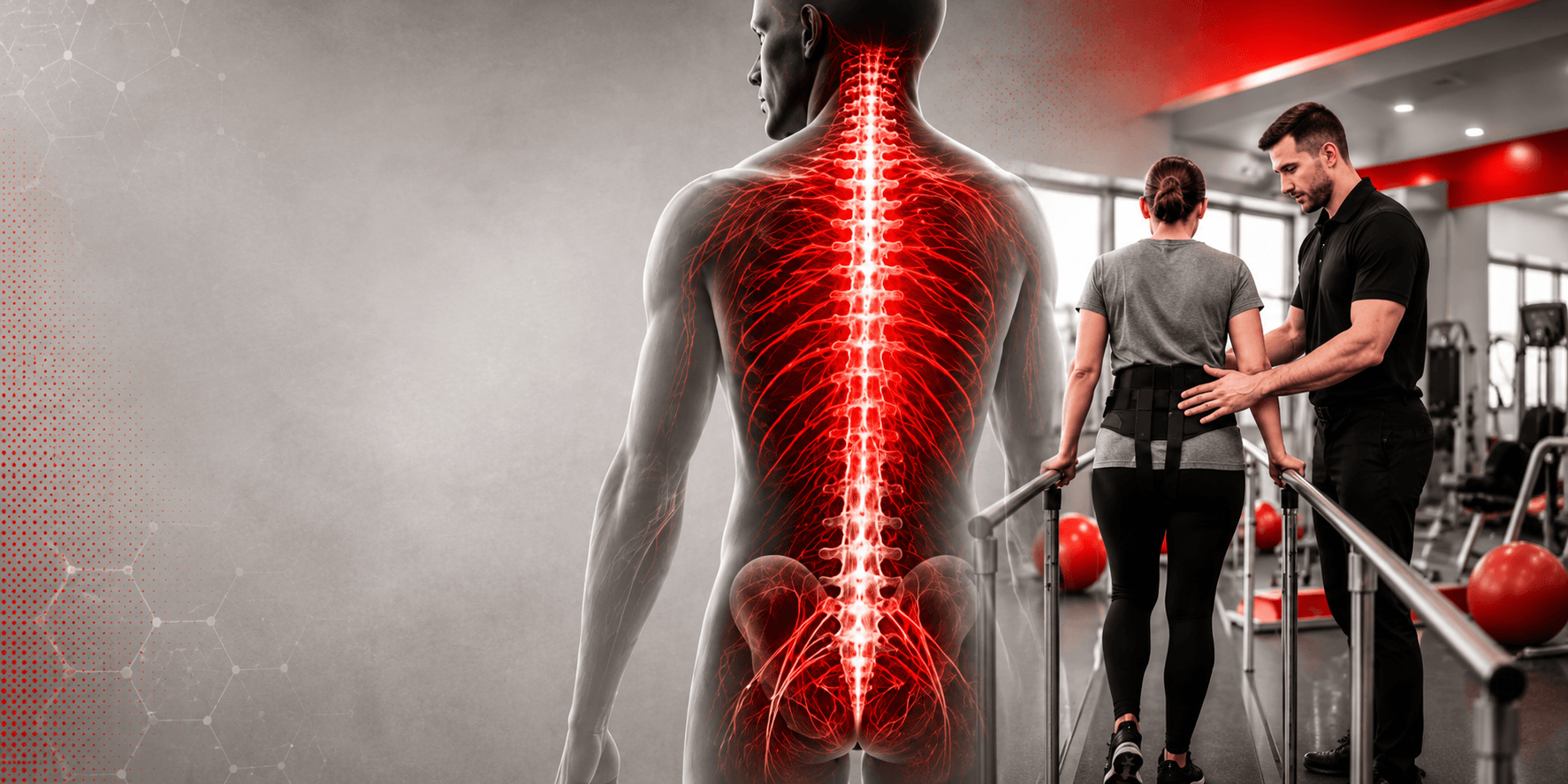
Pain is often a symptom rather than the actual problem. For example, knee pain may be caused by weakness in the hips, reduced ankle mobility, or poor movement control. Treating only the painful area may provide temporary relief, but unless the underlying cause is corrected, the pain is likely to return. A comprehensive assessment helps identify these contributing factors so they can be addressed in an individually prescribed exercise program.
3. Weakness Increases the Risk of Re-Injury
After an injury, muscles naturally become weaker if they aren’t rehabilitated properly or aren’t used properly. Even though everyday activities may feel manageable, your body may not yet be strong enough to cope with heavier tasks, running, sport, or lifting. Rebuilding strength, to a point greater than before your injury, is one of the most important steps in preventing pain and injury from recurring.
4. You Returned to Activity Too Quickly
It’s exciting to feel better and get back to normal life, but increasing activity too quickly can overload tissues that are still healing. You want to get back on the rugby field or try out for the squash league but recovery will happen over time. Your body needs time to adapt to increasing demands, we therefore prescribe progressive programs increasing the load and intensity gradually. We therefore use return to sport protocols to ensure that you are ready before running onto the field/court again.
Pain Doesn’t Always Mean Damage
Many people become worried when pain returns, assuming they’ve injured themselves again. Fortunately, this isn’t always the case.
Pain can be influenced by several factors, including:
- Muscle fatigue
- Poor movement patterns
- Stress
- Sleep quality
- Training load
- Reduced strength and endurance
This is why a professional assessment is important before assuming the worst.
Signs You May Need Further Rehabilitation
Ask yourself these questions:
- Does my pain keep returning after exercise?
- Do I feel weaker on one side?
- Am I avoiding certain movements because I’m worried they’ll hurt?
- Does my pain improve with rest but return once I’m active again?
- Have I been relying on pain medication to stay comfortable?
If you answered “yes” to one or more of these questions, your body may benefit from a structured rehabilitation programme.
When Should You See a Physiotherapist or a Biokineticist?
Both physiotherapists and biokineticists play an important role in recovery, but they are involved at different stages of the rehabilitation process. Read more in our article Biokinetics VS Physiotherapy
A quick indication – If your pain is severe (generally more than 6 out of 10), or you have significant swelling, inflammation, or difficulty moving after an injury, it’s advisable to first consult a physiotherapist. Physiotherapists are trained to manage the acute phase of an injury by reducing pain, controlling inflammation, restoring early movement, and helping protect the injured area.
We work closely with Anne van der Merwe Physiotherapy to provide a seamless, collaborative rehabilitation journey from pain relief to full recovery.
Once your pain has settled and the acute symptoms are under control, a biokineticist focuses on the next stage of recovery.
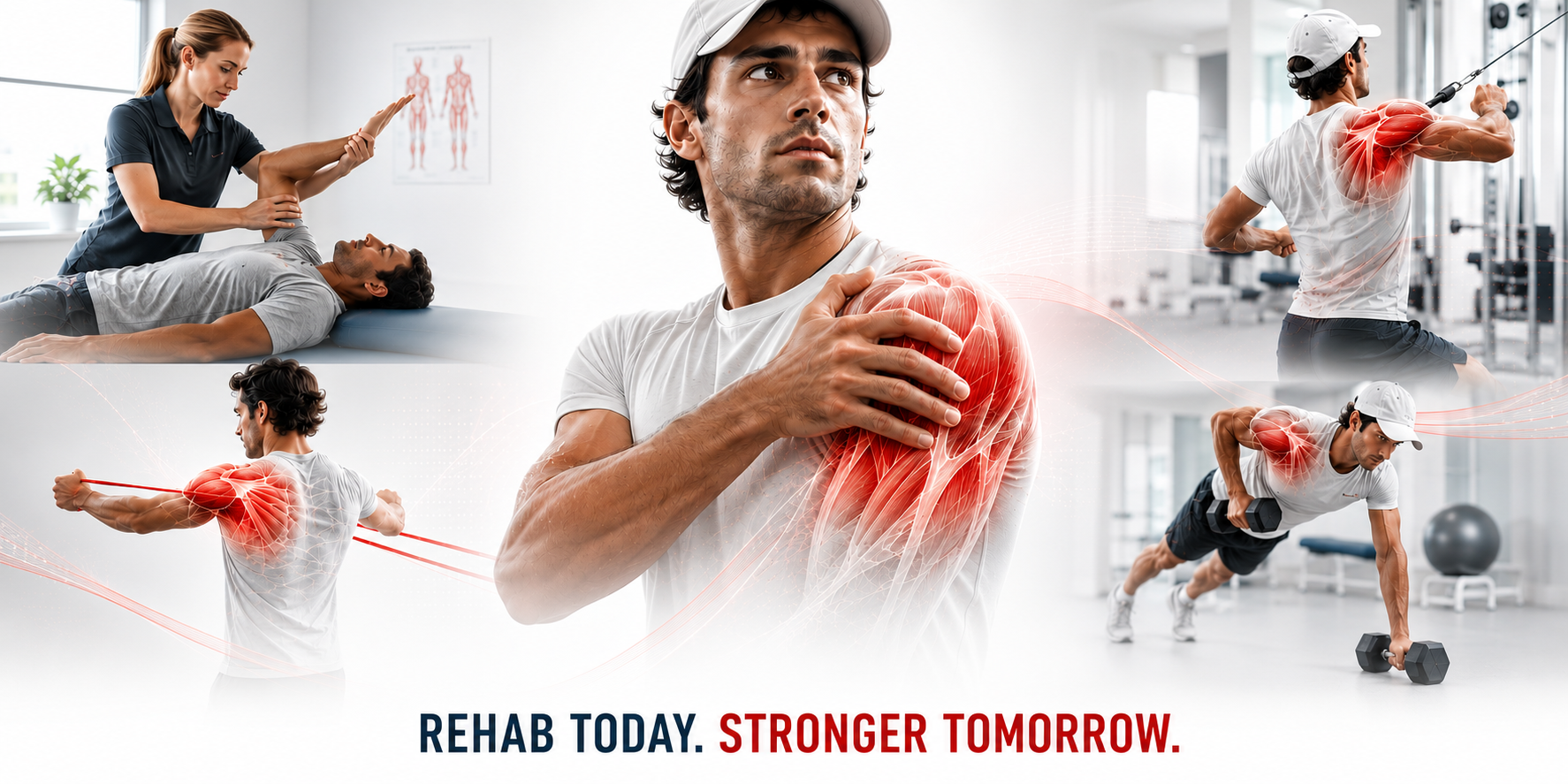
Through a personalised exercise programme, a biokineticist focuses on restoring the way your body moves, functions and performs. Rather than simply treating pain, rehabilitation aims to identify and correct the underlying factors contributing to your symptoms.
This may include:
- Improving muscle strength
- Restoring balance and stability
- Correcting movement patterns
- Improving flexibility where needed
- Gradually progressing your return to work, exercise or sport
- Reducing the risk of future injuries
Every rehabilitation programme is tailored to your specific goals, lifestyle and condition.

The Goal Isn’t Just to Feel Better—It’s to Stay Better
Temporary pain relief is important, but lasting recovery requires more than waiting for symptoms to disappear. By identifying the cause of your pain and restoring your body’s strength and movement, you can reduce the chances of the same problem returning. If you’ve been stuck in a cycle of feeling better only for the pain to come back, it may be time to address the underlying cause rather than just the symptoms.
Trust the Process. Stay Consistent. See the Results.
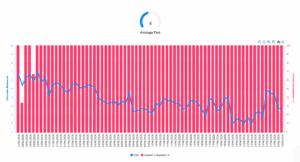
Recovery rarely follows a straight line. Some days you’ll feel better, while other days your pain may flare up—but that doesn’t mean you’re back at square one. The graph below illustrates a real patient’s rehabilitation journey, showing how consistent adherence to their exercise programme led to a gradual reduction in pain over time. From 27/05/2026 to 30/06/2026 her pain which started at 7 reduced to an average of 4 out of 10. Progress comes from persistence, not perfection. Stay committed to your rehabilitation, and your body will continue to adapt, strengthen, and recover.
Ready to break the cycle of recurring pain?
If recurring pain is stopping you from enjoying everyday life, exercising, or performing at your best, a comprehensive assessment can help identify why your symptoms keep returning. Together, we can develop a personalised rehabilitation programme designed to help you recover fully, move with confidence, and reduce your risk of future injuries.
If you are ready to break the cycle – get in contact with us!
Don’t just recover—recover well.
Related Posts