Common mistakes and solutions Fat loss and "leaning out" are common goals that many people…
Knee Pain (Part 1) : Overview
Understanding Knee Pain: Causes, Treatment & Prevention
Knee pain is one of the most common musculoskeletal complaints and can affect people of all ages. Whether your discomfort is caused by an injury, overuse, or a chronic condition, knee pain can make everyday activities such as walking, climbing stairs, exercising, or even standing uncomfortable.
If you have experienced knee pain at any stage of your life, this article series will help you better understand its causes, treatment options, and how to prevent future injuries.
What Causes Knee Pain?
Knee pain can result from injuries to the bones, ligaments, tendons, cartilage, or muscles surrounding the knee joint. It is also a common symptom of chronic conditions such as arthritis and gout.
The good news is that most minor knee injuries respond well to conservative treatment and self-care. Exercise therapy is one of the most effective long-term solutions for many types of persistent knee pain. Surgery is generally considered only when conservative treatment is no longer effective.
Living with constant knee pain is not something you have to accept.
CLICK HERE to learn what may be causing your knee pain.

Why Knee Health Is So Important
The knee is the largest joint in the human body and plays a vital role in weight-bearing activities such as walking, running, jumping, and climbing stairs.
Because it absorbs significant forces every day, the knee is particularly vulnerable to injury. When the knee is not functioning properly, it can create a chain reaction that affects the ankles, feet, hips, and lower back.
Keeping your knees healthy helps you stay active, mobile, and pain-free.
Why Should I See a Biokineticist for Knee Pain?
The knee is a complex joint that is exposed to substantial daily stress. Identifying the exact cause of knee pain is not always straightforward, which is why a professional assessment is important.
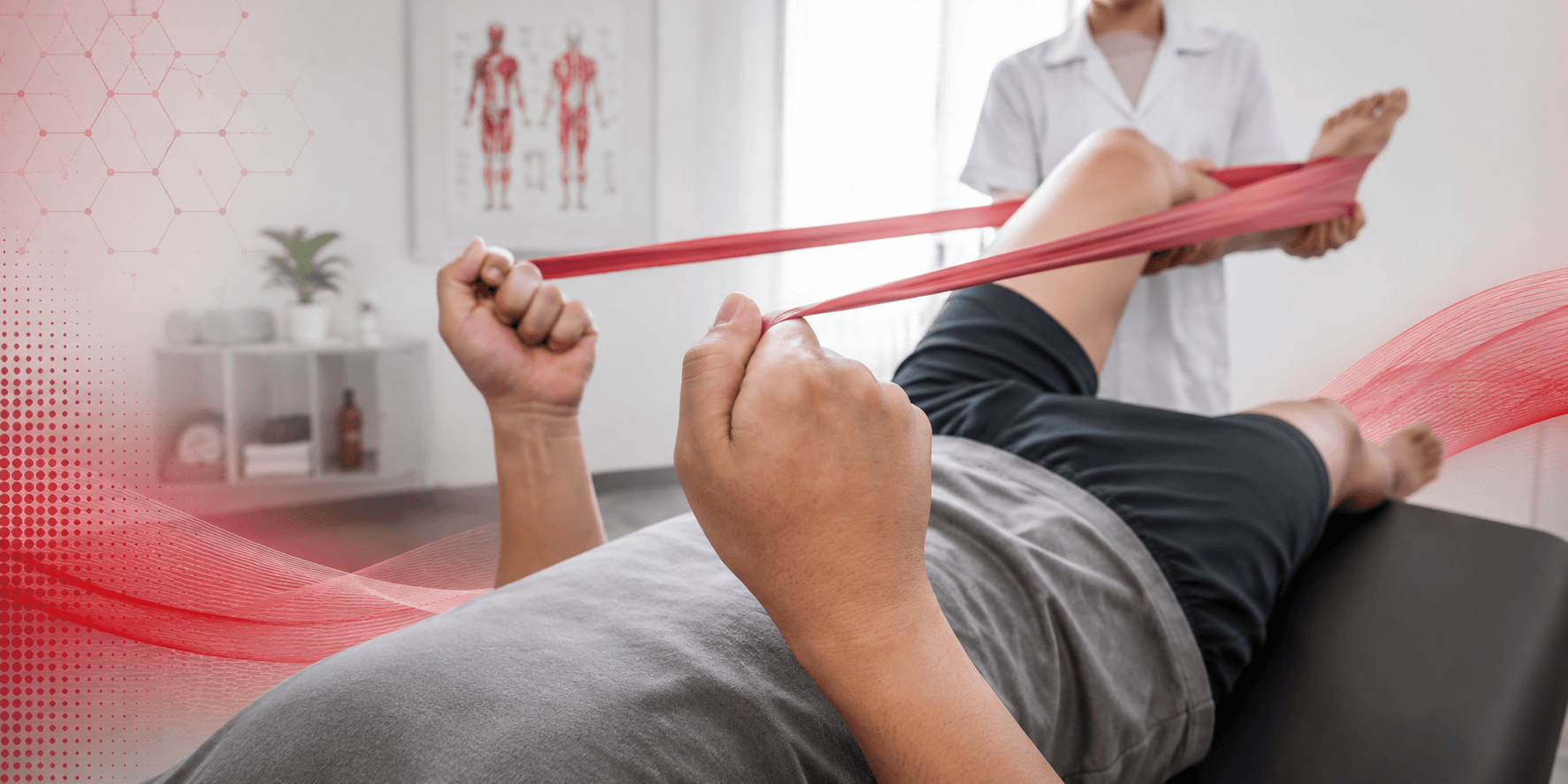
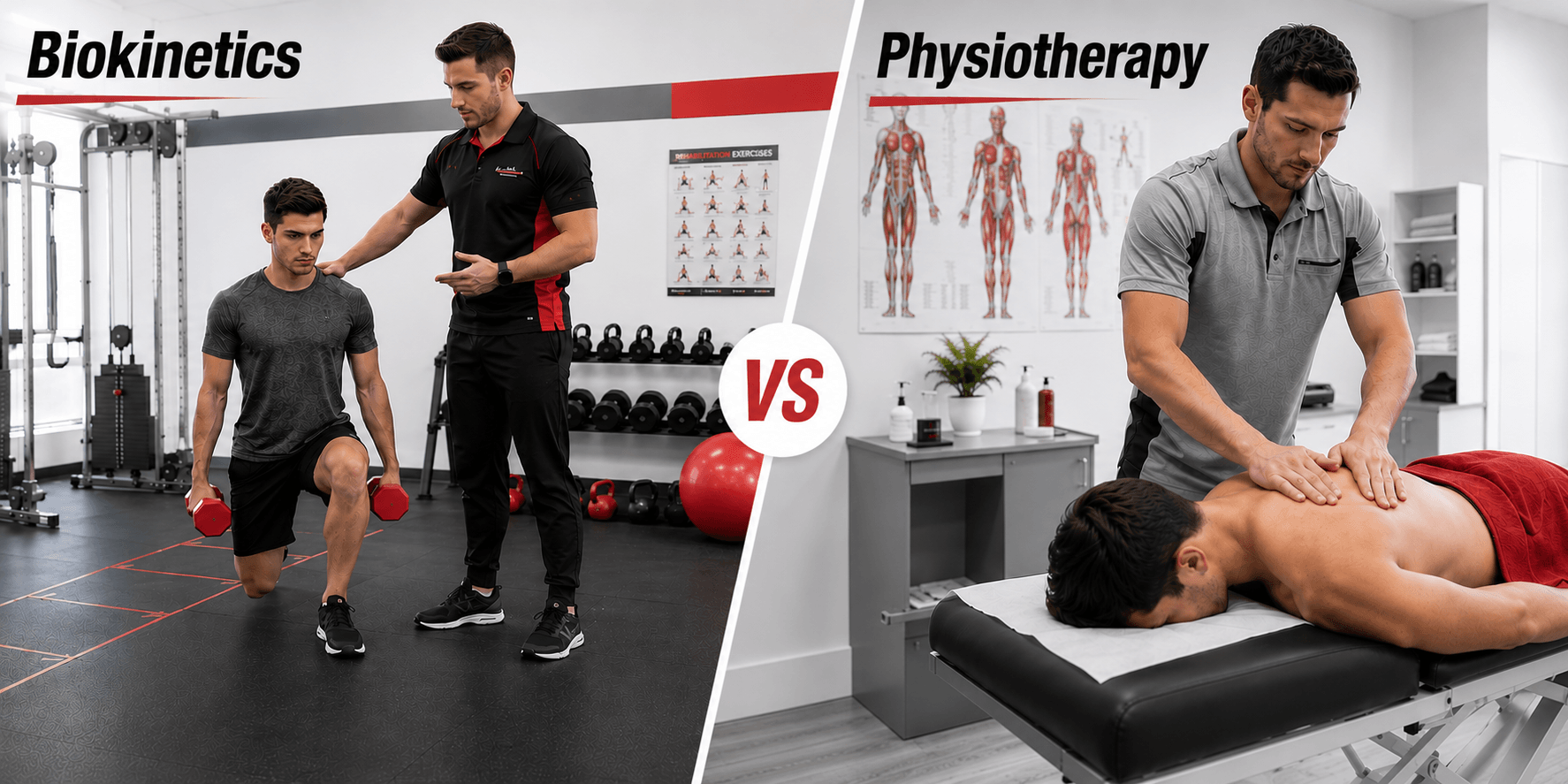
A Biokineticist is an exercise rehabilitation specialist trained to assess movement, identify the root cause of your knee pain, and develop a personalised exercise therapy programme.
Rather than simply treating the symptoms, Biokineticists focus on correcting the underlying problem to improve function, reduce pain, and lower the risk of future injuries.
CLICK HERE to get in contact with our Biokineticist.
Preventing Knee Pain and Knee Injuries
Many knee injuries can be prevented with the right exercise programme.
Biokineticists don’t only treat existing knee problems—they also help prevent them through prehabilitation (prehab). Prehab is a proactive exercise therapy programme designed to strengthen the body before injuries occur.
Prehabilitation can help:
- Reduce your risk of knee injuries
- Improve joint stability and muscle strength
- Decrease pain and improve movement
- Prepare your body before knee surgery
- Speed up recovery after surgery
Whether you’re an athlete or simply want to stay active, prehab is an investment in your long-term joint health.
When Should You See a Biokineticist?
You should consider seeing a Biokineticist if you:
- Want to reduce your risk of knee injuries
- Have persistent knee pain
- Experience knee pain that comes and goes
- Rate your pain 5/10 or less (10 being unbearable)
- Have previously injured your knee
- Have a chronic knee condition such as arthritis
- Have previously undergone knee surgery
- Are preparing for knee surgery
Note: If your knee pain is severe or requires immediate medical attention, we will refer you to one of our trusted physiotherapists.
Common Signs and Symptoms of Knee Pain
Depending on the underlying cause, knee pain may be accompanied by one or more of the following symptoms:
- Clicking, locking, or grinding sensations
- Muscle weakness around the knee
- Stiffness and swelling
- Warmth around the joint
- Knee instability or the feeling that the knee may give way
- Difficulty putting weight on the affected leg
- Inability to fully bend or straighten the knee
If you are experiencing any of these symptoms, an early assessment can help prevent your condition from worsening.
CLICK HERE to book your appointment with a Biokineticist.
Related Posts